

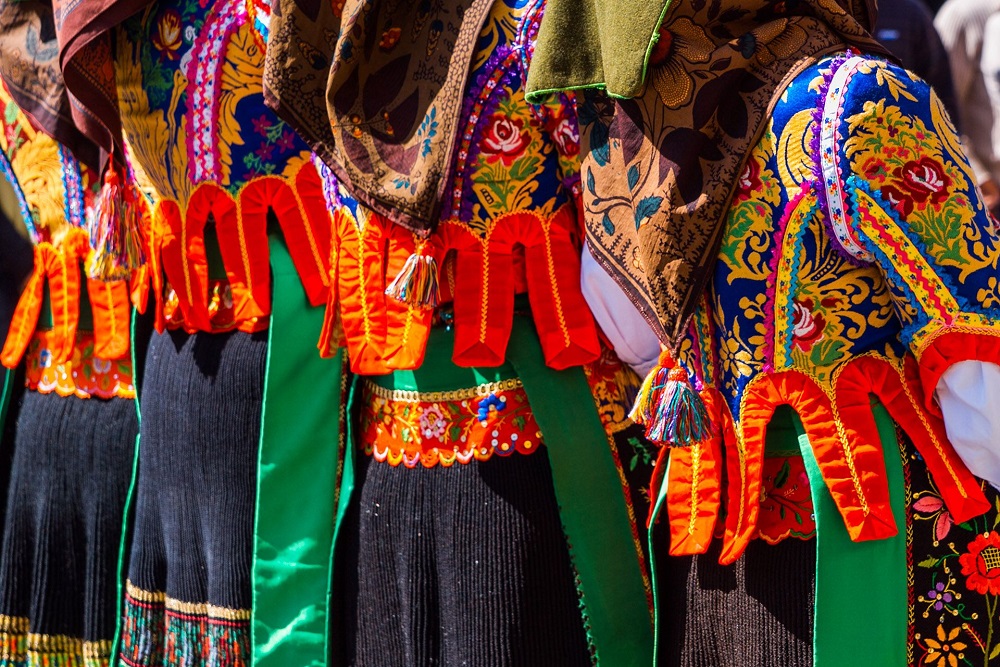
Clothing serves a purpose far deeper than basic physical protection from the elements. Across human history, traditional attire has functioned as a visual language, conveying complex social identities, spiritual beliefs, marital statuses, and ancestral heritage. While modern global fashion leans heavily toward uniform, mass-produced garments, traditional clothing styles remain vital expressions of cultural preservation.
Each fold, motif, dye, and fabric choice carries centuries of accumulated wisdom and storytelling. By examining global traditional attire, we gain insight into the values, environment, and artistic philosophies of diverse communities around the world.
The Japanese Kimono: Harmony, Seasonality, and Social Status
The kimono, which translates literally to a thing to wear, stands as one of the most recognizable traditional garments in the world. Originating during the Heian period (794-1185 AD), its straight-cut design is created by sewing straight seams of fabric together without tailoring to body contours.
Seasonal Symbolism and Motifs
One of the defining features of the kimono is its strict adherence to seasonality and nature:
-
Spring: Motifs such as cherry blossoms, plum blooms, and wisteria signify renewal and growth.
-
Summer: Wave patterns, bamboo, and irises rendered in light fabrics like hemp or unlined silk offer visual coolness.
-
Autumn and Winter: Maple leaves, pine needles, and cranes embroidered on heavy silk provide warmth and signify longevity.
Indicating Life Stages and Formalities
The style of a kimono communicates precise information about the wearer. Unmarried women traditionally wear the furisode, characterized by long, flowing sleeves that can swing during movement. Married women wear the tomesode, featuring shorter sleeves and patterns restricted solely to the lower skirt area. The color and complexity of the obi, the wide decorative sash tied around the waist, further reflects social status and event formality.
The Indian Sari: Unstitched Elegance Across Centuries
Spanning thousands of years of continuous history, the sari remains an integral element of daily and ceremonial life in South Asia. Consisting of an unstitched length of fabric ranging from four to nine yards, the sari is draped over the body and paired with a fitted blouse and underskirt.
Regional Weaving Traditions and Techniques
India features dozens of unique weaving styles that reflect local geography and material availability:
-
Banarasi Silk: Originating in Varanasi, these saris feature intricate gold and silver brocade work, often worn by brides during wedding ceremonies.
-
Kanjeevaram: Hailing from Tamil Nadu, these heavy silk saris are woven with contrasting borders using ancient mulberry silk yarns.
-
Chanderi and Maheshwari: Light, breathable cotton-silk blends developed in central India to accommodate warmer climates while maintaining regal elegance.
Draping Methods as Cultural Markers
While the Nivi drape from Andhra Pradesh is the most common modern style, over eighty regional draping styles exist across India. Variations like the Gujarati seedha pallu style, where the ornate drape faces forward, or the Maharashtrian nauvari drape, which resembles a pair of trousers for mobility, highlight how functional necessity shapes traditional garment construction.
West African Kente Cloth: Royalty, Proverbs, and Color Symbolism
Originating from the Ashanti Kingdom of Ghana and the Ewe people of Ghana and Togo, Kente cloth is a handwoven textile historically reserved for royalty and sacred ceremonies.
Geometric Patterns as Visual Literature
Kente cloth is constructed by weaving narrow silk and cotton strips together into large ceremonial robes. Every geometric shape and grid pattern carries a specific proverb, historical event, or philosophical message. A weaver can communicate stories of leadership, unity, or resilience simply by arranging warp and weft threads in precise combinations.
The Language of Kente Colors
Color selection in Kente weaving is deeply intentional:
-
Gold and Yellow: Represent royalty, wealth, high status, and spiritual purity.
-
Green: Represents land, vegetation, agricultural fertility, and spiritual growth.
-
Red: Signifies political passion, ancestral struggle, and sacrificial commitment.
-
Blue: Symbolizes peace, harmony, love, and the vast expanse of the sky.
The Scottish Kilt: Clan Identity and Heritage
In Western Europe, few traditional garments convey regional identity as distinctly as the Scottish kilt. Developing from the full-length belted plaid worn by Gaelic-speaking Highlanders in the sixteenth century, the kilt evolved into a tailored knee-length pleated garment made from woven wool tartan.
Tartans and Lineage Recognition
Tartan patterns consist of crisscrossed horizontal and vertical bands in multiple colors. Over time, specific thread counts and color arrangements became associated with individual clans, regions, and military regiments. Wearing a family or clan tartan serves as an explicit declaration of ancestral roots and regional allegiance.
Construction and Accessories
A proper Scottish kilt is built with great precision, requiring up to eight yards of heavy wool fabric. It is accompanied by specific accessories that complete the traditional ensemble:
-
The Sporran: A small leather or fur pouch worn around the waist to provide storage, as kilts lack pockets.
-
The Sgian-Dubh: A small single-edged knife worn tucked into the top of the hose stocking.
-
The Kilt Pin: Placed on the lower corner of the outer apron to add weight and prevent the fabric from blowing open in high winds.
The Native American Blanket and Ribbon Dress: Spiritual Connection and Resilience
Across Indigenous communities in North America, traditional clothing connects spiritual beliefs with daily life and tribal identity. While styles vary across tribes from the Woodlands to the Plains, ribbon dresses and woven trade blankets hold profound cultural meaning.
Symbolism in Ribbon Work
The ribbon dress, worn by women across many Native American nations, features colorful satin ribbons sewn horizontally across the skirt and sleeves. These ribbons represent prayer lines, connection to mother earth, and ancestral strength. The movement of the ribbons during sacred dances symbolizes life force and spiritual communication.
Preservation and Cultural Continuity
Despite historical efforts to suppress Indigenous cultures, traditional clothing practices were carefully passed down through generations. Today, wearing traditional regalia at powwows, tribal gatherings, and graduation ceremonies serves as a powerful reclamation of identity, sovereignty, and artistic heritage.
The Modern Revival of Cultural Attire
In contemporary society, traditional clothing faces both challenges and revivals. Fast fashion and urbanization have shifted daily wardrobes toward standardized western garments. However, cultural organizations, artisans, and fashion designers are finding innovative ways to preserve traditional clothing techniques.
By integrating traditional motifs into modern silhouettes or wearing full traditional attire for milestones such as weddings, festivals, and national holidays, communities ensure that their cultural narratives remain vibrant and relevant for future generations.
Frequently Asked Questions
What is the primary difference between tailored and unstitched traditional clothing?
Tailored traditional clothing, like the Japanese kimono or Scottish kilt, relies on cutting, fitting, and sewing fabric panels to create structured shapes. Unstitched traditional clothing, such as the Indian sari or Roman toga, uses continuous lengths of cloth folded and draped directly around the body, allowing for greater versatility in fitting and sizing without alteration.
How do traditional garments handle changing climate conditions?
Traditional garments were engineered specifically for local ecosystems before air conditioning and synthetic insulation existed. Tropical regions developed loose, unstitched garments made from breathable cottons or silks to encourage airflow. Cold, mountainous regions favored heavy wools, layered silks, or fur-lined textiles to trap body heat effectively.
Is it acceptable for non-native individuals to wear traditional clothing from another culture?
Context and intention dictate acceptability. Wearing traditional attire during intercultural events, weddings, or formal ceremonies at the invitation of hosts from that culture is generally viewed as an act of respect. However, wearing sacred or ceremonial garments as costumes or fashion props without understanding their cultural significance can cause offense.
How can you distinguish handwoven traditional textiles from factory reproductions?
Handwoven textiles feature slight variations in thread tension, subtle irregularities in pattern repeats, and clean, hand-finished edges. Factory-printed or mass-machine-woven fabrics usually display perfect, identical pattern repeats, synthetic shine, and stamped or serged edges.
Why are natural dyes historically significant in traditional clothing?
Before synthetic dyes were invented in the nineteenth century, fabric colors were derived from local plants, minerals, and insects. Specific colors were expensive and difficult to extract, making certain dyed garments symbols of immense wealth, political authority, or religious devotion.
How do traditional clothes influence modern haute couture fashion?
High fashion designers frequently study traditional clothing for inspiration regarding draping techniques, zero-waste pattern making, intricate embroidery, and natural fiber usage. Many contemporary luxury fashion houses collaborate with traditional artisans to preserve rare handcrafting methods while creating modern collections.
What role do hair accessories and jewelry play alongside traditional clothing?
Jewelry, headwear, and hair hardware are integral components of traditional dress systems. They often indicate social status, wealth, marital standing, or religious affiliation, serving as harmonious extensions of the garment’s visual message.

Comments are closed.