

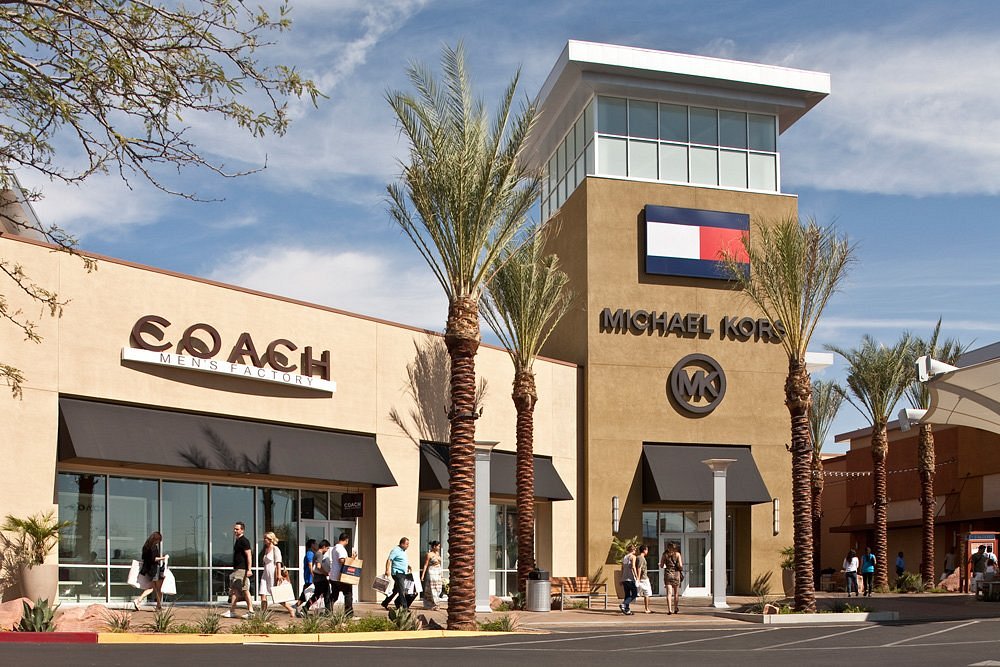
The retail landscape has undergone a dramatic shift over the past decade. While traditional department stores and indoor shopping malls face challenges with foot traffic and changing consumer habits, premium brand outlet stores are experiencing a major surge in popularity. Once viewed as dumping grounds for overstock, damaged inventory, or out-of-season merchandise, modern outlet centers have transformed into sophisticated shopping destinations. Today, upscale brand outlets attract millions of value-conscious yet brand-loyal shoppers who seek luxury apparel, footwear, and accessories without the full retail price tag. Understanding why premium brand outlets are thriving requires looking at evolving consumer psychology, strategic shifts by major manufacturers, and the changing economics of physical retail.
Understanding the Modern Premium Outlet Concept
To appreciate why outlet centers are thriving, it helps to look at how their business model has evolved. Decades ago, brand outlets were typically single-brand warehouses attached to manufacturing facilities or located in distant industrial zones. Their primary purpose was simple: liquidate extra inventory, factory seconds, or items returned by main retail partners.
Today, a premium brand outlet center operates as an outdoor, lifestyle-focused shopping village. Designed to mirror upscale shopping streets, these developments feature manicured walkways, high-end dining options, and architecturally appealing store layouts. More importantly, the merchandise strategy has changed. While some clearance inventory still lands on outlet racks, a large percentage of products sold in premium outlets is made specifically for the outlet channel or sourced through planned over-production. This strategy allows luxury and premium labels to capture a broader market segment without diluting their primary brand image or cannibalizing full-price boutique sales.
The Key Factors Driving the Popularity of Outlet Stores
Several interconnected market forces explain why consumers are flocking to premium brand outlet stores in record numbers.
The Rise of Smart Value Shopping
Modern consumers are remarkably savvy. Access to mobile devices, comparison apps, and digital deal platforms has made shoppers far more conscious of price points. However, searching for value does not mean shoppers are willing to sacrifice quality or prestige. Premium outlets bridge this gap by offering high-end labels at a discount, usually ranging from 30 percent to 70 percent off original retail prices. For shoppers, buying a designer item at an outlet provides a sense of financial smartness combined with the satisfaction of owning a luxury product.
The Appeal of the Experiential Retail Experience
As e-commerce dominates routine household purchasing, physical retail stores must offer something beyond pure convenience to justify a trip. Premium brand outlet centers excel at turning shopping into a recreational outing. Many consumer groups treat a day at an outlet center as a leisure event, combining shopping with dining, social time, and local sightseeing. The open-air, promenade layout of contemporary outlet centers provides an enjoyable atmosphere that digital screens simply cannot replicate.
Changing Perceptions Around Luxury and Status
Status symbols are no longer reserved exclusively for high-income earners. The democratization of fashion has made designer labels desirable across every demographic tier. Young shoppers, including Gen Z and Millennials, place heavy emphasis on personal style and brand identity. Outlet stores allow younger or budget-conscious demographic groups to participate in luxury fashion culture without overextending their finances.
Supply Chain Realities and Inventory Optimization
From the perspective of brand manufacturers, outlet stores serve as a vital release valve for supply chain management. Production forecasting is rarely perfect. Seasonal shifts, unexpected weather patterns, and economic fluctuations can leave brands with excess stock. Having a controlled, high-standard network of brand-owned outlet stores gives companies a direct, profitable channel to move inventory without resorting to third-party discount liquidation bins or aggressive markdown banners in flagship stores.
How Brands Protect Their Core Equity
A recurring question in retail economics is how luxury brands maintain high-end appeal while selling goods at deep discounts. If anyone can purchase a luxury brand at a fraction of its original price, does the brand risk losing its exclusivity? Major brands manage this balance using several intentional methods:
-
Separate Product Lines: Many premium brands design dedicated merchandise lines exclusively for their outlet locations, using different materials or simplified designs to lower costs while keeping signature branding intact.
-
Strategic Geographic Distance: Premium outlet centers are usually positioned 30 to 50 miles away from major metropolitan flagship locations to minimize direct competition between discount channels and full-price boutiques.
-
Restricted Marketing Channels: Discounts available at physical outlet stores are rarely advertised alongside primary product launches, maintaining a clear boundary between mainstream branding and value distribution.
-
Controlled In-Store Presentation: Outlet locations maintain the polished design aesthetic, customer service standards, and branding cues of luxury boutiques, ensuring that the shopping experience remains premium.
The Economic Impact on Local and Regional Tourism
Premium brand outlet centers do not operate in a vacuum. They frequently function as regional economic engines, generating significant tax revenue and creating local employment opportunities across retail, hospitality, and facility management.
Because many premium outlets are positioned near major highway corridors or close to popular tourist regions, they attract out-of-town visitors alongside local residents. Regional tourism boards frequently partner with major outlet developers to include shopping packages in travel itineraries. Bus tours, regional hotel partnerships, and international travel promotions often highlight outlet shopping as a featured attraction, demonstrating how retail real estate directly drives local tourism development.
The Future Outlook for Premium Outlet Retailing
As digital commerce continues to evolve, premium brand outlets show strong long-term resilience. While many traditional retail channels struggle to maintain physical footprints, outlet developers are investing heavily in new locations and modern renovations.
Looking ahead, the integration of omni-channel technology will shape the next era of outlet shopping. Loyalty programs, mobile queue systems, personal shopping appointments, and localized digital inventory search features are becoming standard across major outlet centers. By pairing digital convenience with the tactile satisfaction of physical bargain hunting, premium brand outlets are well-positioned to maintain their upward growth trajectory for years to come.
Frequently Asked Questions
Are products at premium brand outlets lower in quality than those in retail stores?
Some merchandise in outlet stores is made specifically for the outlet channel, which may use alternate fabrics or production methods to keep prices accessible. However, many items are genuine overstock, last-season styles, or customer returns from flagship stores that feature identical quality and craftsmanship.
How much can shoppers typically save at a brand outlet store?
Discounts generally range between 30 percent and 70 percent off the original manufacturer suggested retail price. Promotional holiday weekends, clearance events, and store loyalty reward programs can sometimes lower prices even further.
Why are outlet malls usually located far outside major city centers?
Outlet centers are typically situated outside primary urban centers to prevent sales cannibalization of full-price flagship stores. Additionally, larger suburban plots offer lower real estate costs, allowing developers to construct spacious, open-air centers with ample parking.
Can items purchased at an outlet store be returned to a regular retail store?
Generally, no. Most brand parent companies maintain strict separation between their retail and outlet divisions. Products purchased at an outlet store usually must be returned directly to an outlet location, subject to the specific return window and policy of that outlet division.
Do premium brand outlet stores offer extra discounts for students, military, or seniors?
Yes, many individual brand stores and outlet development centers offer supplemental discounts for active military members, veterans, students, and seniors. Shoppers can often request discount passes or register via digital center apps upon arrival.
What is the best time of week or year to shop at outlet centers?
Weekday mornings offer the least crowded shopping experience and best access to freshly stocked inventory. For maximum cost savings, visiting during holiday weekends like Memorial Day, Labor Day, or Black Friday yields the deepest promotional markdowns.

Comments are closed.