

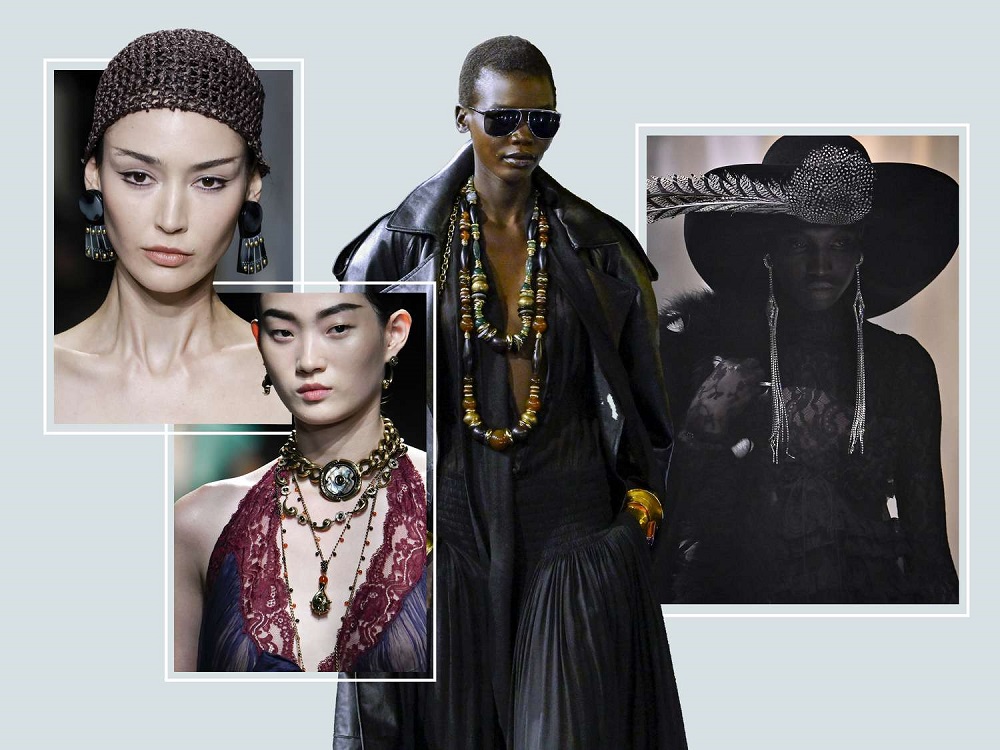
Jewelry has never existed in a vacuum. Throughout history, the metallic accents, glittering gemstones, and sculpted forms that adorn the body have shared a symbiotic relationship with apparel. Every time hemlines rise, silhouettes shift, or textile color palettes transform on international runways, jewelry undergoes a parallel evolution.
Understanding how jewelry trends change with every fashion season reveals the delicate balance between high-concept runway art, apparel design, cultural moods, and personal expression. From the initial concepts debuted during Spring/Summer and Fall/Winter fashion weeks to the refined pieces appearing in daily wardrobes, the cycle of seasonal jewelry shifts is both systematic and deeply artistic.
The Seasonal Catalyst: How Haute Couture Dictates Accessories
The structural foundation of the fashion industry relies on a semi-annual rhythm: Spring/Summer (S/S) and Fall/Winter (F/W). When fashion houses reveal their apparel lines during these global fashion weeks, accessories serve as crucial visual punctuation marks.
Jewelry designers and creative directors work in tandem to ensure that neckwear, wrist cuffs, and earrings complement the weight, texture, and structural posture of the garments.
The Structural Dynamic of Necklines and Neckwear
The silhouette of seasonal apparel dictates the scale and shape of jewelry. During warmer seasons, fashion lines frequently feature off-the-shoulder cuts, plunging necklines, and lightweight fabrics. These open spaces allow jewelry designers to experiment with dramatic drop necklaces, delicate multi-layer chains, or short collar chokers that hug the skin directly.
Conversely, autumn and winter collections introduce heavy knits, structured blazers, and high turtlenecks. To remain visible against dense textiles, jewelry shifts dramatically in weight and scale. Fine, delicate chains vanish against wool or cashmere, prompting the seasonal rise of chunky chain links, oversized pendants, and dramatic chest-length medallions that rest over heavy outerwear.
Sleeves, Hemlines, and Wrist Architecture
Garment sleeves play a major role in determining wristwear trends. Spring and summer runways traditionally favor sleeveless tops or short sleeves, opening up expansive arm canvas for expansive bracelet stacks, delicate chain wraps, and upper-arm cuffs.
When fall rolls around, long sleeves and ribbed cuffs take over. In response, designers shift toward bold, solid metal cuffs that can be worn directly over coat sleeves or tight gloves. The interplay between garment sleeve construction and jewelry ensuring that accessories remain functional rather than hidden under layers.
Spring and Summer Trends: Lightness, Movement, and Natural Motifs
Spring/Summer collections generally emphasize vitality, light, and fluid movement. As wardrobes transition to breathable fabrics like linen, silk, and cotton, jewelry design undergoes a distinct shift toward lighter aesthetics and organic themes.
-
Earthy Textures and Unrefined Stones: Warm-weather trends frequently integrate raw gemstones, turquoise, organic pearls, and woven cords. The focus moves away from hyper-polished formality to tactile, nature-inspired materials that complement relaxed summer tailoring.
-
Playful Color and Vibrant Enamels: The brighter color spectrums of spring apparel inspire jewelry makers to introduce vibrant enamelwork, colored glass, and bright gemstones. Rich emerald greens, sapphires, and vibrant tropical hues mirror the energetic tones of warm-weather textiles.
-
Fluid and Kinetic Construction: Summer accessories emphasize movement. Chandelier earrings that brush the shoulders, long tassel necklaces, and delicate anklets move with the wearer, echoing the breezy, fluid motion of summer dresses and lightweight skirts.
-
Reinvented Pearls: Modern spring seasons regularly strip pearls of their traditional, formal reputation. Instead of uniform strands, summer runways feature asymmetric baroque pearls paired with gold accents, leather cords, or raw metal links.
Fall and Winter Trends: Weight, Opulence, and Architectural Metalwork
When temperatures drop, fashion turns toward rich textures, deep colors, and layered silhouettes. Fall/Winter jewelry reflects this shift by focusing on substantial architecture, high-contrast metals, and brooding drama.
-
Heavy Metalwork and Sculptural Forms: Winter aesthetics favor bold, architectural pieces. Designers treat precious metals like bronze, gold, and silver as sculptural sculpture, crafting thick, liquid-like metal cuffs, heavy door-knocker earrings, and solid torque necklaces.
-
Dark Romanticism and Deep Gemstones: Rich, dramatic aesthetics often emerge in late fall. Deeply saturated gems like garnet, onyx, dark amethyst, and smoked quartz pair seamlessly with heavy velvet, leather, and tailored wool coats.
-
Brooches and Functional Jewelry: With heavy coats, scarves, and lapels becoming daily staples, brooches and decorative pins make a strong return every winter. These pieces serve dual roles, securing scarf drapes or adding an artistic focal point to structured coats and blazer lapels.
-
Refined Vintage Revival: Winter collections frequently draw inspiration from historical periods, bringing back Art Deco geometry, Victorian romanticism, or chunky vintage gold pieces that hold their own against bulky winter apparel.
Macro Cycles vs. Micro Trends: The Pace of Accessory Evolution
While fashion shifts every six months, jewelry trends operate on two distinct speeds: micro trends driven by immediate runway aesthetics, and macro trends shaped by larger cultural and technological shifts.
The 20-Year Nostalgia Loop
Jewelry trends regularly cycle back through a two-decade nostalgia loop. What was popular twenty years ago is reinterpreted by a new generation of creative directors.
For instance, the resurgence of Y2K aesthetic brought back chunky yellow gold, beaded choker chains, and body jewelry. However, these revivals are never exact copies; modern manufacturing techniques, contemporary metal alloys, and modern styling ensure the pieces feel fresh rather than dated.
The Shift in Metal Preferences
While wardrobe colors fluctuate rapidly, base metal preferences shift over longer cycles. For years, sleek white gold and sterling silver dominated minimalist wardrobes. As warm, vintage-inspired aesthetics reclaimed fashion runways, rich yellow gold made a powerful comeback.
More recently, the rigid rule of choosing a single metal finish has dissolved entirely. Two-tone designs and intentional mixed-metal stacking—combining rose, yellow, and white gold or oxidized silver—allow consumers to bridge different seasonal wardrobes effortlessly.
Key Drivers Behind Changing Jewelry Trends
Runway fashion isn’t the only force driving seasonal jewelry transformations. Broader cultural, economic, and technological factors continuously reshape how jewelry is designed, marketed, and worn.
1. Influencers and Digital Virality
Social media platforms have dramatically accelerated the speed at which a runway accessory becomes a worldwide craze. A single viral piece showcased by an influencer during fashion week can spark immediate global demand, bypassing traditional retail timelines. This real-time feedback loop encourages jewelry brands to release micro-collections throughout the year.
2. Sustainability and Ethically Sourced Materials
Modern consumers increasingly demand transparency in material sourcing. This shift has popularized lab-grown diamonds, recycled precious metals, and upcycled vintage components across both luxury and everyday collections. Sustainable practices have transformed from a niche preference into a core consideration for seasonal jewelry lines.
3. The Rise of Gender-Neutral Jewelry
Modern fashion is increasingly blurring traditional gender boundaries. Men’s jewelry has expanded far beyond simple wedding bands or functional watches to include pearls, gemstone pendants, stackable cuffs, and detailed chain links. Seasonal runways regularly showcase unisex accessories designed for universal appeal.
Frequently Asked Questions
How far in advance are seasonal jewelry trends decided?
Jewelry designers generally begin developing seasonal concepts 6 to 12 months before a collection debuts on the runway. They work alongside apparel designers and forecasting agencies to align color palettes, metal finishes, and structural themes with upcoming clothing lines.
Is yellow gold or white gold currently in style?
Both metals remain stylish, but yellow gold has experienced a massive surge in popularity, particularly for chunky chains, vintage-inspired pieces, and statement hoops. Modern styling also encourages mixing yellow gold with silver or white gold in a single look for a contemporary, textured aesthetic.
How do seasonal jewelry trends differ from fine jewelry investment pieces?
Seasonal fashion jewelry is designed to match fast-moving apparel trends, often using affordable materials like brass, plated metals, enamel, or synthetic stones. Fine jewelry focuses on timeless designs, expert craftsmanship, and high-value materials like solid gold, platinum, and natural or high-grade lab diamonds meant to last for generations.
Can I wear summer jewelry pieces during winter months?
Yes, many summer pieces can easily transition into winter with smart layering. Delicate summer chains can be stacked together over a dark fitted turtleneck, and colorful gemstone rings can add a vibrant pop of contrast to neutral, heavy winter coats.
What is the most effective way to transition a jewelry wardrobe between seasons?
Focus on versatile anchor pieces, such as medium-sized gold or silver hoops, a clean chain, and a classic ring band. As the seasons change, simply layer seasonal statement items—like a dramatic winter cuff or a colorful summer pendant—around your daily foundational pieces.
Why do pearls keep coming back every few fashion seasons?
Pearls are incredibly versatile and absorb light in a way that flatters every skin tone. Designers continuously reinvent them by abandoning traditional, uniform strands in favor of asymmetrical baroque shapes, mixed-metal chain integrations, and modern geometric settings.
How do apparel necklines dictate which necklace to choose?
Neckwear should complement, rather than clash with, the cut of your top. Open necklines like scoop or V-necks look best with pendants or layered chains that follow the shape of the skin. High necklines like turtlenecks call for longer, heavier pendant chains or bold collar necklaces that sit cleanly over the fabric.

Comments are closed.