

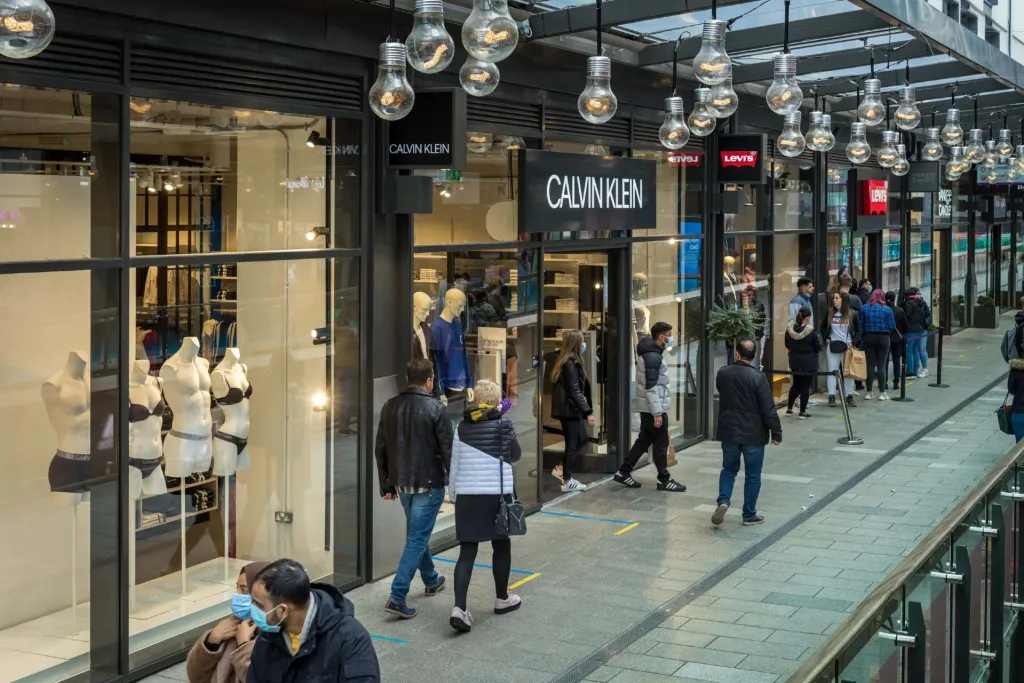
The global retail sector has experienced a profound shift over the past two decades. Among the most notable developments is the evolution of the luxury outlet store. Once viewed as basic clearinghouses hidden away in remote rural strip malls, modern luxury outlets have transformed into high-end shopping destinations. They feature architectural elegance, premium hospitality, and curated product offerings that rival full-price flagship boutiques in major capital cities.
This transformation represents more than just a change in visual aesthetics. It marks a strategic evolution in how heritage fashion houses approach inventory management, brand expansion, and consumer acquisition. The rapid growth of luxury outlet villages across North America, Europe, and Asia highlights a broader trend: high-end brands can make luxury accessible to value-conscious shoppers while maintaining their premium appeal and profitability.
Evolution of the Luxury Outlet Concept
Historically, outlet centers served a simple operational purpose for manufacturers. They were low-cost facilities designed to liquid surplus inventory, factory seconds, and past-season merchandise without cluttering primary retail channels. Early outlets were plain spaces focused strictly on clearing excess stock, offering little in the way of customer experience or visual presentation.
During the late 1990s and early 2000s, forward-thinking real estate developers and luxury conglomerates recognized an untapped opportunity. By redesigning these locations as outdoor open-air shopping villages with upscale dining, valet services, and landscaped plazas, developers turned discount shopping into a day-trip leisure experience. Today, luxury outlet villages attract millions of domestic shoppers and international tourists annually, standing as major retail hubs in their own right.
Driving Factors Behind the Popularity of Luxury Outlets
The Democratization of Luxury Fashion
A major driver behind the growth of luxury outlets is the expanding class of aspirational consumers. These shoppers value the prestige, craft, and heritage associated with top-tier fashion houses but may hesitate at full retail prices. Luxury outlets bridge this gap. They allow aspirational shoppers to purchase authentic designer goods at accessible prices, creating an entry point into brand ecosystems without diluting full-price retail channels.
Changing Consumer Mindsets Toward Value
Consumer sentiment around discount shopping has evolved significantly. High-net-worth individuals and aspirational buyers alike now take pride in smart shopping and value acquisition. The historical stigma attached to buying past-season or discounted items has largely disappeared. Buying high-quality luxury items at a discount is now widely seen as a savvy purchasing decision rather than a compromise on style or quality.
Inventory Management Strategies for Luxury Brands
Luxury brands face a perpetual balance between exclusivity and financial efficiency. Overproduction is an inevitable reality of fashion seasonal cycles. Destroying unsold inventory carries heavy financial costs and severe environmental criticism, while continuous sitewide online markdowns risk damaging a brand’s prestige. Luxury outlets offer a controlled, discreet physical environment to clear excess inventory, protect profit margins, and keep full-price boutiques focused on new arrivals.
Key Market Appeal Drivers for Modern Outlet Destinations
-
Experiential Retail Architecture: Modern luxury outlets are built to resemble Mediterranean villages, town squares, or historic districts. Features like manicured walkways, central fountains, open spaces, and premium materials create a relaxing, high-end atmosphere that encourages longer visits.
-
Curated Made-for-Outlet Lines: Many luxury fashion houses design dedicated collections specifically for their outlet stores. These collections feature classic, versatile silhouettes and durable materials, allowing brands to maintain high profit margins while offering consistent stock year-round.
-
Experiential Amenities and Hospitality: High-end outlets go beyond basic retail by offering fine dining options, artisan coffee shops, personal shopping assistants, VIP lounges, and luggage storage services. These amenities convert a standard shopping trip into an engaging full-day outing.
-
Strategic Geographic Placement: Developers place luxury outlet centers near major highway corridors, suburban residential hubs, and international airports. This makes them easily accessible to regional suburban shoppers while staying far enough from city centers to prevent sales cannibalization at primary flagship stores.
The Dual-Target Demographic Strategy
The financial success of luxury outlet stores relies on their ability to appeal to two distinct consumer segments simultaneously:
1. The Aspirational Luxury Consumer
This group includes younger buyers, middle-income shoppers, and entry-level fashion enthusiasts. For these consumers, purchasing a discounted designer wallet, pair of shoes, or trench coat serves as a status symbol. Luxury outlets give aspirational buyers access to high-end brands that might otherwise fall outside their budget, building long-term brand familiarity and loyalty.
2. The Smart High-Net-Worth Shopper
Counterintuitively, wealthy consumers represent a substantial portion of luxury outlet foot traffic. These shoppers often buy core wardrobe essentials, tailored clothing, leather goods, and high-end outerwear at outlet locations. They appreciate purchasing top-quality materials and craftsmanship at a discount, recognizing the value proposition of past-season classics.
Challenges and Future Trends in the Luxury Outlet Sector
While the luxury outlet sector continues to grow, it faces emerging structural challenges and changing retail dynamics. The rapid expansion of online off-price platforms and resale marketplaces has created new digital competition for physical outlet villages. Additionally, brands must carefully manage inventory quality to prevent brand dilution, ensuring that outlet-specific lines maintain high standards of construction and design.
Looking ahead, luxury outlet developers are integrating omnichannel digital services, including click-and-collect capabilities, mobile VIP loyalty applications, and digital interactive maps. Environmental sustainability is also taking center stage, with centers adopting renewable energy, zero-waste initiatives, and eco-friendly construction materials. By continually modernizing their physical settings and digital offerings, luxury outlet destinations remain poised for sustained growth in the global retail landscape.
Frequently Asked Questions
Are products sold at luxury outlet stores authentic designer items?
Yes, items sold in official luxury outlet stores are genuine products managed directly by fashion brands or authorized retail partners. These items consist of past-season overstock, excess department store inventory, or specialized lines created specifically for the brand’s outlet network.
How do merchandise items at luxury outlets differ from those in full-price boutiques?
Full-price boutique merchandise features current seasonal collections and runway pieces fresh off the line. Luxury outlets primarily carry past-season inventory, overstock, and dedicated outlet lines designed with classic styles and durable everyday fabrics tailored for year-round appeal.
Why are luxury outlet centers usually located far outside major downtown areas?
Luxury brands locate outlets outside urban centers to prevent sales cannibalization at their primary flagship stores. Distance creates a clear separation between full-price flagship shoppers and discount outlet buyers, while allowing brands to secure larger real estate spaces for open-air retail villages.
Do luxury outlet stores offer additional seasonal sales or discounts beyond everyday reduced prices?
Yes, luxury outlets host major promotional events during holiday weekends, end-of-season sales, and black-friday periods. Many centers also operate free VIP membership programs that provide shoppers with additional percentage-off coupons, private sale access, and special store discounts.
How do luxury brands preserve their prestige while offering discounted goods at outlets?
Brands maintain exclusivity by controlling store aesthetics, limiting promotional messaging in primary advertising channels, and keeping outlet locations separated from main shopping districts. Maintaining high customer service levels and elegant store design ensures the brand experience remains premium.
What role do international tourists play in the success of luxury outlet villages?
International tourists drive significant revenue for luxury outlet centers due to tax-free shopping incentives, favorable exchange rates, and brand recognition. Outlet developers partner with travel agencies, tour operators, and airlines to offer shuttle services and exclusive shopping packages directly to visitors.

Comments are closed.