

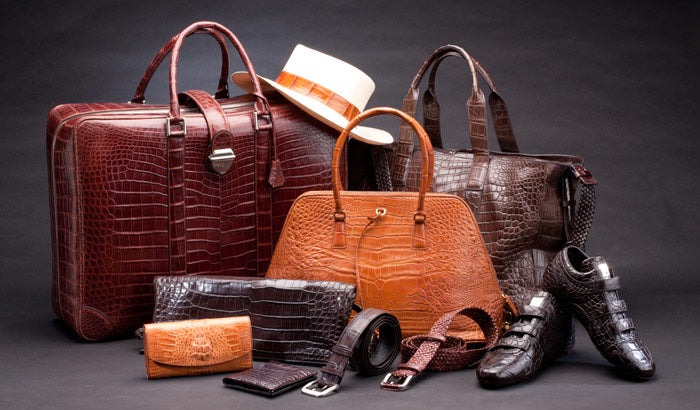
Shopping for accessories often feels overwhelming given the sheer volume of options available online and in stores. From handbags and belts to jewelry and scarves, visual appeal alone does not guarantee durability or fine craftsmanship. Mass production techniques often replicate the appearance of luxury items using cheap materials and poor construction methods that deteriorate after minimal wear.
Learning how to inspect products critically before making a purchase saves money and ensures your wardrobe contains pieces that endure. High quality is rarely accidental; it reveals itself through specific material properties, hardware standards, stitching precision, and structural engineering.
The Essentials of Material Inspection
The foundation of any durable accessory is the raw material used to create it. Recognizing authentic, high-grade fabrics and metals is the first step toward smart purchasing.
Evaluating Leather Quality
Leather is one of the most common materials used in accessories, yet its quality varies wildly.
-
Full-Grain Leather: This is the highest quality leather available. It uses the complete grain layer of the hide, retaining natural strength, breathability, and unique surface character. Over time, full-grain leather develops a rich patina rather than cracking.
-
Top-Grain Leather: Slightly refined to remove surface imperfections, top-grain leather is smooth and durable, though it lacks the full aging capability of full-grain.
-
Genuine and Bonded Leather: Despite the convincing name, genuine leather usually refers to lower layers of hide that have been split, glued, and painted with polyurethane to mimic higher grades. Bonded leather consists of shredded leather scraps bonded with plastic binders. Both tend to peel, crack, and flake within a short period.
When testing leather in person, inspect the grain. Natural leather features slight irregularities in pore patterns. Press gently into the surface; high-quality leather flexes and wrinkles naturally under pressure, whereas synthetic or plastic-coated leather remains rigid or feels unnaturally rubbery. Additionally, genuine leather possesses a distinct, earthy scent that synthetic alternatives cannot replicate.
Assessing Metals and Jewelry Alloys
High-quality metal accessories should offer substance and proper finishing.
-
Weight and Density: Quality metals like solid brass, sterling silver, stainless steel, and gold possess noticeable weight. Lightweight, hollow-feeling jewelry often indicates zinc alloys or plastic cores plated with thin metallic film.
-
Plating Thickness: When buying gold-plated items, look for gold vermeil (a thick layer of gold over sterling silver) or physical vapor deposition coating over stainless steel. Standard flash-plated metals wear off quickly, exposing base metals that can cause skin irritation or green discoloration.
-
Hallmarks and Stamps: Inspect precious metal jewelry for official quality stamps, such as 925 for sterling silver, 14K or 18K for gold, and PT for platinum.
Testing Textiles and Natural Fibers
Scarves, hats, and textile bags demand scrutiny of their weave and fiber origin.
-
Silk: Authentic silk feels warm to the touch almost immediately upon contact and produces a soft friction sound when rubbed together. Synthetic satin feels cool, slick, and artificially glossy.
-
Cashmere and Wool: High-grade cashmere features long fibers tightly spun to resist pilling. Give the fabric a gentle tug; quality knitwear snaps back into shape without leaving loose threads or fuzzy clusters.
Examining Hardware and Construction Details
Hardware components like zippers, clasps, buckles, and rivets are common failure points in low-quality accessories. Examining these details reveals whether a manufacturer prioritized longevity.
Zippers, Clasps, and Fasteners
Smooth functionality and weight are key indicators of superior hardware.
-
Zipper Operation: Look for reputable brand stampings like YKK, Raccagni, or Lampo on zipper sliders. High-grade metal zippers glide smoothly without catching or pulling the surrounding lining. Plastic teeth on structured leather bags are a clear signal of cost-cutting.
-
Clasp Responsiveness: Keychains, handbag strap clips, and necklace fasteners should feature firm internal springs that snap back into place securely. Any play or wobble in a lobster clasp hinge points to early mechanical failure.
-
Plating Uniformity: Inspect hardware under bright light. The finish on buckles and rings should be uniform without bubbling, flaking, or sharp edges around seams.
Stitching Integrity and Edge Finishing
Stitching holds structural accessories together and bears physical tension during daily use.
-
Stitch Density and Alignment: Superior stitching features short, consistent stitch lengths placed perfectly parallel to edges. Loose, unevenly spaced stitches or fraying threads indicate poor quality control.
-
Reinforced Stress Points: Areas subjected to high tension, such as handle attachments, belt buckle loops, and pocket corners, should feature double-stitching, cross-stitching, or solid rivet reinforcement.
-
Edge Painting on Leather: Raw leather edges are frequently sealed with flexible paint to prevent moisture absorption. High-quality edge painting appears smooth, even, and thin. Thick, globby edge paint often conceals raw, glued edges that will split over time.
Evaluating Structure, Lining, and Craftsmanship
An accessory must maintain its shape and function across repeated uses. Internal architecture dictates how well an item withstands real-world conditions.
Internal Linings and Pocket Construction
The interior of a handbag or wallet should receive as much care as the exterior.
-
Lining Material: Cheaper items often use thin, synthetic polyester linings that tear easily along seams. Superior items feature heavy cotton canvas, suede, or durable microfibers that resist tears and friction from keys or pens.
-
Attachment: High-end bag linings are stitched securely to the outer frame rather than remaining loose inside like an unattached bag.
Balance and Symmetry
Symmetry reflects precision during assembly. Lay the accessory flat on a level surface:
-
Check if handbag handles lay straight and match in length.
-
Verify that belt buckles line up centered with the strap body.
-
Ensure sunglasses sit flat without one arm lifting off the table.
Online Shopping Strategies for Verifying Quality
Spotting quality becomes more complex when shopping digitally. However, key details in product listings help distinguish fine craftsmanship from low-grade production.
Analyzing Product Descriptions
Look for specific, technical language in the item specification section rather than vague promotional words:
-
Vague Descriptions: Terms like premium leather, genuine metal, luxurious feel, or gold-tone convey no verifiable standards.
-
Specific Specifications: Look for clear details like full-grain Italian calfskin, 316L surgical stainless steel, 18K gold vermeil, hand-rolled silk hem, or YKK brass zippers.
Inspecting High-Resolution Images
Zoom in on product photography to evaluate construction:
-
Look closely at the edges of leather items to check for raw edges or poor coating.
-
Inspect close-ups of jewelry clasps for solid soldering rather than open jump rings that can pull apart.
-
Examine textile photos for loose threads, uneven prints, or thin fabric transparent against light.
Frequently Asked Questions
What is the single most reliable sign of a high-quality leather accessory?
The presence of full-grain leather combined with clean, tight stitching and hand-finished edges is the clearest sign of high quality. Full-grain hide retains natural strength, smells earthy, and develops an attractive patina rather than peeling or cracking over time.
Why do some gold-plated pieces tarnish faster than others?
Tarnishing speed depends on plating thickness and the base metal beneath it. Flash-plated items apply an extremely thin gold layer over reactive base metals like brass or zinc, which wears off quickly through friction and sweat exposure. Gold vermeil or PVD-coated stainless steel uses thicker gold application over stable bases, offering superior resistance to wear.
How can I tell if a silk scarf is high quality before buying?
Examine the weight, feel, and hem stitching. High-quality silk has a dense, substantial feel and features hand-rolled, hand-stitched edges that form soft, rounded borders. Machine-stitched flat hems are a common indicator of mass manufacturing.
Are solid brass hardware fittings better than zinc alloy fittings?
Yes, solid brass is far superior to zinc alloy. Solid brass is dense, highly durable, resistant to corrosion, and holds plating exceptionally well. Zinc alloy hardware is lighter, brittle, and prone to snapping under stress or flaking its finish after light use.
Does a higher price tag always guarantee better accessory craftsmanship?
Price does not always equal quality. While true craftsmanship requires superior materials and labor that increase cost, some luxury brands price items high based on brand recognition alone. Always inspect material specifications, stitching, and hardware independently of the brand name or price tag.
What should I look for in the lining of a quality wallet or purse?
Look for linings made from durable materials like heavy cotton twill, genuine suede, or leather. The lining should be stitched firmly into the structural frame of the item rather than floating loosely inside, and inner pocket seams should feature reinforced stitching to handle daily wear.
How do I check if a pair of sunglasses is structurally sound?
Open and close the frame arms to test hinge resistance; hinges should feel firm and smooth without wobbling. Look for five-barrel or spring hinges made from solid metal rather than plastic joints molded directly into the frame. Finally, place the glasses on a flat surface to confirm both temple arms lay perfectly balanced.

Comments are closed.