

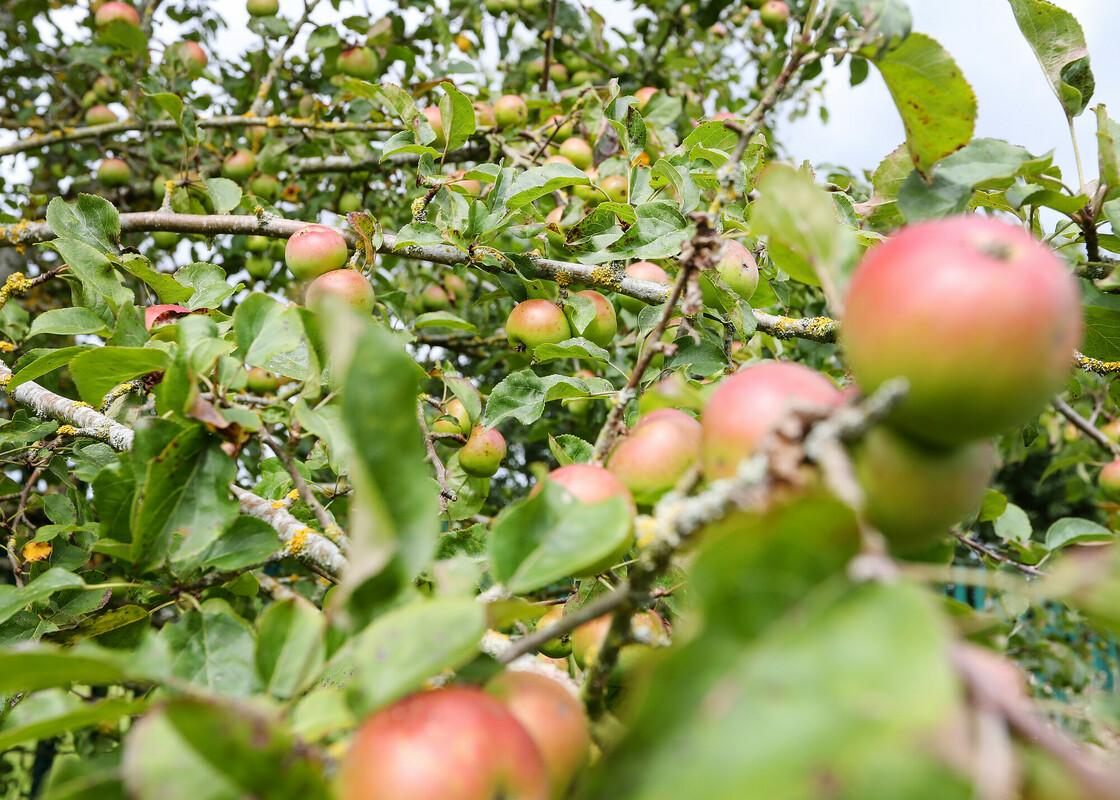
Quince trees suit smaller spaces better than many people assume, it brings character to mixed orchards, and it produces fruit with a very practical place in the kitchen. It also answers a common problem in home gardening: how to grow something unusual without choosing a tree that is difficult to manage.
The fruit trees specialists at Fruit-Trees nursery say interest in older orchard varieties is rising because gardeners want trees that are both productive and distinctive. Their advice is that anyone considering whether to buy quince trees should think first about site, pollination needs and how the fruit will actually be used at home, because quince rewards practical planning far more than impulse planting.
That reflects the best case for growing quince in Britain. It is not a novelty for novelty’s sake. It is a serious fruit tree with ornamental value, culinary purpose and a strong fit with present-day gardening habits. For people who want one tree to do several jobs well, quince deserves a second look.
Quince fits the way British gardens are changing
One reason quince is becoming relevant again is simple: the average garden is not getting bigger, and neither is the amount of time people want to spend managing complicated trees. Many households still like the idea of home-grown fruit, but they do not necessarily want a large orchard or a demanding routine of pruning, spraying and ladder work. Quince can meet that need better than its reputation suggests.
In the right position, quince is a relatively approachable fruit tree for ordinary gardeners. It often develops into a small tree with an attractive shape, which makes it easier to place in a mixed garden than a more vigorous standard orchard tree. It can sit comfortably near lawns, borders or vegetable areas without looking out of place. That matters because modern gardens often have to combine food production with design, rather than keeping the two separate.
It also suits the growing appetite for fruit that serves more than one function. British gardeners increasingly want trees that are productive but also visually rewarding. Quince offers spring blossom, handsome foliage and striking yellow fruit later in the season. Even before harvest, it earns its space. That is important in smaller gardens where every planting choice has to justify itself.
There is also a cultural shift behind quince’s return. People are more interested in preserving, seasonal cooking and older varieties than they were twenty years ago. A tree that might once have been dismissed as old-fashioned can now seem sensible and appealing. Quince benefits from that change because it carries a strong sense of tradition without being difficult to understand. It connects well with a broader move towards practical self-sufficiency, but it still feels decorative and manageable.
For UK gardeners in particular, that mix is valuable. A tree does not have to produce supermarket-style fruit to be worthwhile. It has to earn its place through reliability, usefulness and interest across the year. Quince does all three, which is why it is starting to return from the margins of orchard planning.
It offers something genuinely different from apples and pears
A second reason to grow quince is that it does not simply duplicate what gardeners already have. Many home orchards end up crowded with apples because apples are familiar, versatile and widely available. Pears often follow for similar reasons. Quince brings a different kind of reward. It widens the harvest rather than repeating it.
The fruit itself is the clearest example. Raw quince is not usually eaten like an apple. It is firm, highly aromatic and transformed by cooking. That distinction is part of its value. Gardeners who grow quince are adding a fruit with a separate culinary identity, not just another version of what they can already pick from neighbouring trees or buy cheaply in shops. That makes the harvest feel more meaningful.
Its scent is another overlooked quality. A ripe quince has a perfume that stands out in a way most orchard fruit does not. Historically, that fragrance was one reason the fruit was valued indoors as well as in the kitchen. Even now, it gives quince a character that fits well with the renewed interest in sensory gardening. A tree that contributes flavour, fragrance and visual appeal has more staying power in a domestic garden than one grown only for yield.
Quince also fills a seasonal gap in the imagination of the home grower. People often think in terms of summer soft fruit and autumn apples, with little attention to less common orchard crops. Adding quince makes the garden feel less standardised. That matters because one of the strongest trends in gardening is the search for identity. Gardeners want plots that reflect individual tastes rather than catalogue convention.
There is a practical benefit to that difference too. If a household already has apple trees, quince can diversify what the garden produces without requiring a completely new way of thinking about fruit growing. It is still a tree crop, still part of orchard culture, but it creates new possibilities for cooking and preserving. In a limited space, that kind of contrast is valuable. A small number of carefully chosen trees will often serve a household better than a larger collection of very similar ones.
The blossom, form and fruit make it a strong ornamental tree as well
Quince is worth growing again because it performs well beyond harvest. In many gardens, ornamental and edible planting are no longer treated as separate categories. Gardeners want fruit trees that look good enough to stand in prominent positions, and quince is well suited to that role.
Its blossom is a major part of the appeal. The flowers are usually larger and more obviously decorative than many people expect from a fruit tree. They appear in soft tones that work well in both traditional and contemporary gardens, and because they are carried on a tree with a pleasing structure, the overall effect is refined rather than showy. That makes quince easier to place near seating areas, paths or mixed borders where appearance matters.
The leaves help too. A healthy quince tree has foliage with substance, giving it a fuller summer presence than some lighter-framed fruit trees. Then, towards the end of the season, the fruit becomes part of the display. The golden colour stands out strongly against the leaves, and because the fruit is often large and shapely, it reads almost as decoration before it is picked. A tree that looks useful and ornamental at the same time is more likely to be valued over the long term.
This has wider importance for British gardens, especially suburban ones. A tree that only looks good at one brief stage of the year may struggle to justify its space unless the crop is exceptional. Quince offers several visual phases: blossom in spring, strong foliage in summer, fruit in autumn and a good branch framework in winter. That sequence gives it a year-round contribution which many productive trees lack.
There is also a design advantage in growing something less commonplace. Because quince is still relatively uncommon in domestic settings, it can create interest without needing exotic styling or unusual planting schemes. It complements cottage gardens, kitchen gardens and more formal layouts equally well. In practical terms, that means gardeners can add character without making the space harder to manage.
For people trying to make every square metre work harder, that matters. A quince tree is not merely a crop plant tucked into a corner. It can be one of the visual anchors of the garden. That dual role is one of the strongest reasons it deserves renewed attention.
Quince earns its place in the kitchen far more than many people realise
A fruit tree only becomes truly worthwhile when the harvest is used, and this is where quince often surprises people. It is easy to assume that because quince is less common, it must also be less practical. In fact, it can be one of the most rewarding fruit trees for cooks, especially in households that value preserving, baking and seasonal food.
The key is to understand that quince is a cooking fruit. Heat changes it dramatically. The flesh softens, the perfume deepens and the flavour becomes richer and more rounded. That gives it a distinctive place in the kitchen. It can be poached, baked, turned into jelly, added to pies, paired with apples, used in savoury dishes or cooked down into pastes and preserves. A single tree can therefore support a wide range of uses over autumn and winter.
This matters because many home-grown fruits arrive all at once and have a short window of usefulness. Quince is different. It invites slower, more deliberate use. Gardeners who enjoy making the most of a harvest rather than eating it all fresh will often find quince more satisfying than a tree that produces a brief glut. It fits well with British cooking habits that favour jams, chutneys, compotes and puddings as much as raw fruit.
It also works well in combination with other orchard crops. Apples and quinces can be cooked together to improve texture and fragrance. That makes quince particularly valuable in gardens where apples already dominate. Instead of competing with the existing harvest, it enhances it. In practical household terms, that is a strong argument for planting one.
There is another point here that is easy to miss. Because quince is not an everyday supermarket fruit, growing it restores a form of kitchen knowledge that is otherwise disappearing. It encourages seasonal thinking and gives gardeners a reason to use methods of preparation that are slower but often more rewarding. In that sense, quince is not only a fruit tree but a way of broadening domestic food culture.
That will not appeal to everyone, and it should not be romanticised. A household that only wants fruit to eat straight from the tree may be better served by other choices. But for gardeners who actually cook, preserve and experiment, quince can be more useful than many better-known species. It earns its place not by convenience alone, but by quality and range.
It can be a sensible choice for smaller orchards and mixed plantings
Another reason quince deserves renewed attention is that it can work well in a mixed orchard rather than demanding a dedicated block of land. Many British gardeners who think about growing fruit are not planning a traditional orchard in the old sense. They may have room for three or four trees, perhaps fewer, and every selection has to contribute something distinct. Quince is strong in that setting because it broadens the planting without making management excessively complex.
In a small orchard plan, balance matters. Too many apples can lead to repetitive harvests and a narrow use pattern. A combination of apple, pear, plum and quince often gives a more interesting spread of flavour, texture and season. Quince fits neatly into that mix because it is clearly different from the other main choices while still belonging to the same practical world of orchard care.
Its moderate scale is part of the advantage. A tree that remains manageable is easier to integrate near paths, vegetable beds or flower borders, especially where land is divided into multiple uses. This has become more important as home growers move away from the idea that productive gardening must happen in a separate utility zone. Quince can stand within an attractive garden design while still contributing to the food supply.
It can also be a good conversation between past and present in planting design. Traditional orchards often included a wider range of species than modern domestic gardens tend to use. Reintroducing quince restores some of that diversity. That has aesthetic value, but it also supports resilience in a broader sense. Diverse plantings usually create more interest, spread risk better and produce a more varied harvest.
For gardeners who are planning carefully, the decision is not just whether a quince tree can grow in their space, but whether it improves the whole system. Often it does. It extends the orchard’s purpose from straightforward fruit supply to culinary variety, seasonal structure and visual interest. That is a strong return from one tree.
The more limited the garden, the more important those layered benefits become. A tree that offers only one narrow advantage may not survive the next redesign. A quince tree is more likely to stay because it can justify itself from several angles at once. In a mixed modern garden, that makes it a very sensible planting choice.
Growing quince successfully in the UK is realistic with the right approach
The final reason quince is worth growing again is that success is entirely realistic in Britain when the basics are respected. Its decline was never simply about climate or impossibility. In many cases it reflected changing tastes, supermarket habits and the narrowing of what gardeners expected from fruit. With those assumptions shifting, quince becomes viable again.
Site choice matters. Like most fruit trees, quince benefits from a sunny, reasonably sheltered position and well-drained soil. It is not a tree to plant carelessly in a cold, waterlogged corner and then blame for poor performance. Good establishment is important, especially in the first years, when watering, mulching and sensible formative pruning help create a healthy framework. None of that is unusual by orchard standards. It is simply the ordinary discipline that any worthwhile fruit tree needs.
Expectations matter as well. Gardeners are more likely to value quince when they plant it for what it is, not for what they assume a fruit tree should be. It is not a supermarket apple substitute. It is a specialist fruit with broad domestic use and strong ornamental merit. Approached on those terms, it becomes easier to appreciate and easier to manage.
This is where modern gardening culture helps rather than hinders. People are increasingly open to fruit that does not look standard, ripen all at once for raw eating, or fit the narrow commercial model of convenience. That openness creates room for quince to return. The tree has not suddenly become easier; gardeners have become better prepared to value what it offers.
There is also a broader lesson in its revival. Not every useful fruit tree needs constant promotion or heavy retail presence to deserve a place in gardens. Some simply need gardeners to notice them again. Quince falls into that category. It has history, but the case for growing it now is practical rather than nostalgic.
For British growers who want a tree with spring blossom, autumn character and genuine kitchen value, quince is hard to dismiss. It brings diversity to the orchard, distinction to the garden and purpose to the harvest. That is more than enough reason to grow it again.

Comments are closed.